
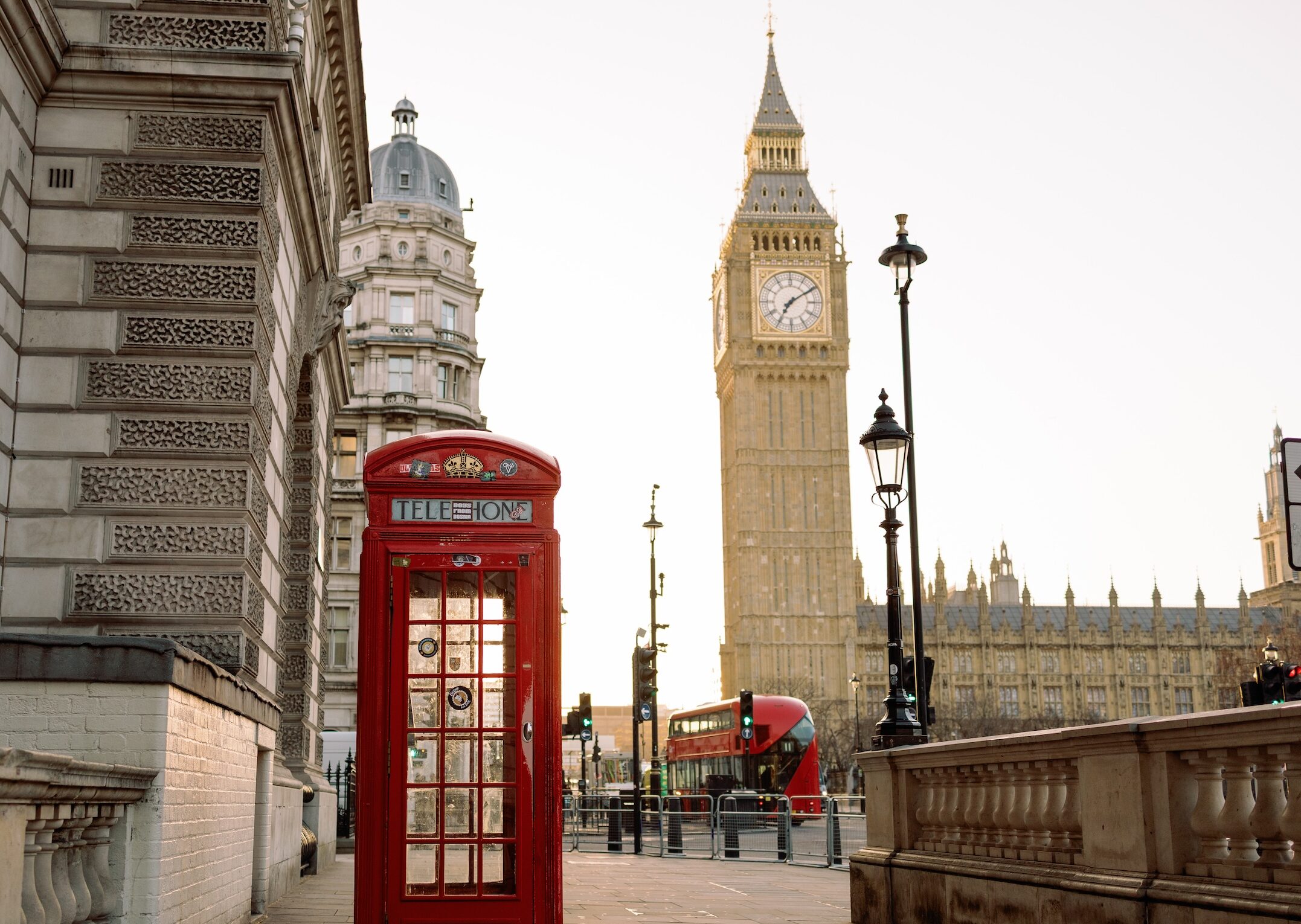
London offers an extraordinary amount of choice when it comes to where and how to get married. From grand hotels to hidden gardens, the sheer range of wedding locations in London means couples can find a setting that genuinely reflects who they are.
Having so many options is part of London’s appeal, although it can make knowing where to start more difficult. Choosing the right wedding location will depend on the atmosphere you want to create, the number of guests you are inviting, and how you want them to experience the city.
For couples travelling from overseas, there are also practical considerations. You’ll need to think about getting legally married in England, where your guests will stay, and how far in advance to start planning.
This guide covers the main things to consider when planning a London wedding, from choosing the right type of venue and part of the city to legal requirements, seasonality and booking timelines.
Why Choose London for Your Wedding?
One of London’s greatest strengths as a wedding destination is the variety it offers. Within one city, couples can choose between grand historic hotels, private members’ clubs, centuries-old livery halls, contemporary spaces, gardens, cultural landmarks and venues overlooking the Thames.
For those drawn to a classic London setting, the city’s historic luxury hotels offer grand ballrooms, impressive architecture and a long tradition of hosting celebrations. The Connaught and The Dorchester are two well-known examples. There are equally luxurious options for couples looking for something less traditional. Private members’ clubs tend to offer a more intimate and discreet setting. London’s historic livery halls provide some of the city’s most characterful spaces, often hidden behind relatively unassuming exteriors.
Contemporary and design-led hotels, such as Café Royal, offer another side of London. They bring modern interiors and a very different atmosphere from the capital’s grand hotels. There are also landmark buildings that have been carefully transformed into luxury hotels. These give couples a genuine connection to London’s history, while still offering the service and facilities of a modern hotel.
London also has far more green space than its city-centre setting might suggest. Gardens, parks and botanical settings offer an alternative to a traditional hotel wedding. Venues along the Thames make the river and London skyline part of the experience instead.
Museums, galleries and other cultural spaces, including the Tower of London, broaden the choice further. Rooftop venues add another option again, where the view across London is one of the main reasons to choose the setting.
This range means comparing wedding locations in London is not simply about finding a venue you like. It is also about deciding which side of the city you want your guests to experience.
Where in London Should You Get Married?
Different wedding locations in London can shape the wider experience of your day, particularly if guests are travelling to the city and staying for several days.
Mayfair and St James’s
Mayfair and St James’s are home to some of London’s best-known luxury hotels, private clubs and restaurants. They suit couples looking for a central setting with plenty within walking distance for guests.
The location also makes it relatively easy to turn a wedding into a longer weekend. Welcome drinks, rehearsal dinners and post-wedding brunches can all take place nearby without asking guests to travel across London.
Westminster
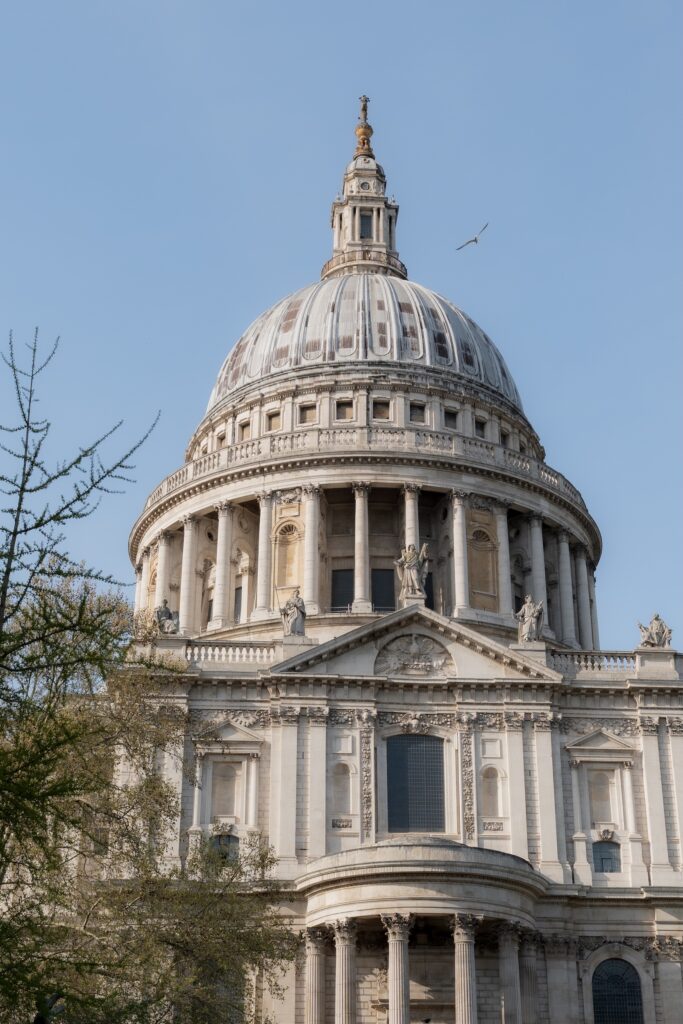
For a wedding surrounded by some of London’s most recognisable architecture, Westminster offers a strong sense of place.
Historic buildings, luxury hotels and proximity to the Thames make this part of London particularly relevant for international couples who want the city itself to form part of their wedding experience.
The City of London
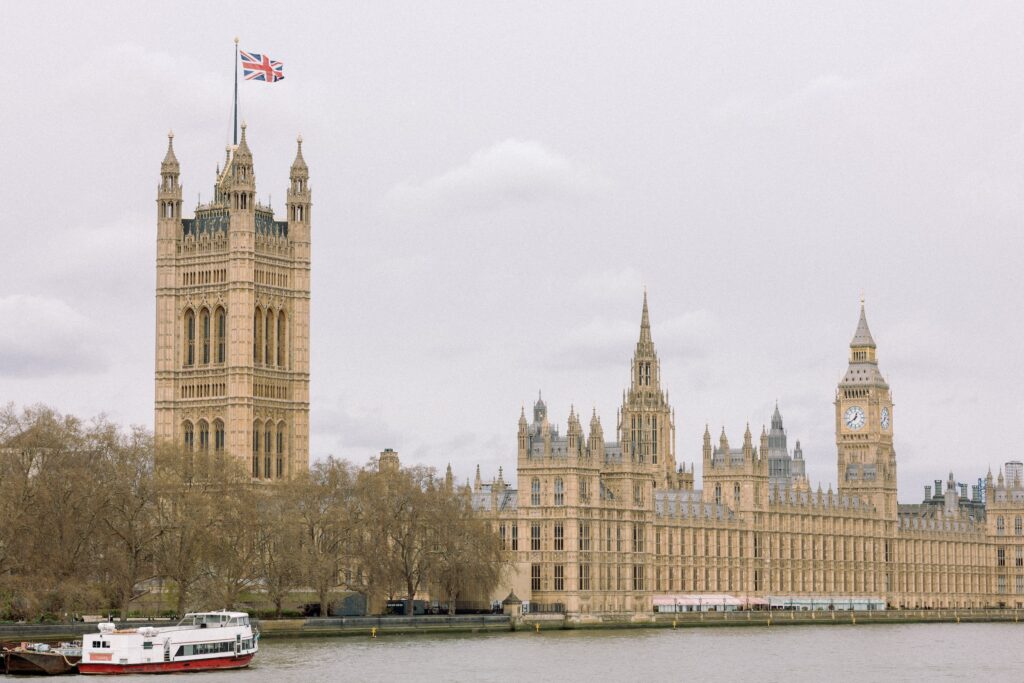
The City offers a very different version of London. Behind the modern skyline are historic livery halls and buildings with centuries of history, many of which can be hired for weddings and private events.
These spaces can be particularly interesting for couples looking beyond London’s traditional luxury hotels. They often combine impressive interiors with a sense of history that is difficult to replicate in a purpose-built events space.
Riverside London
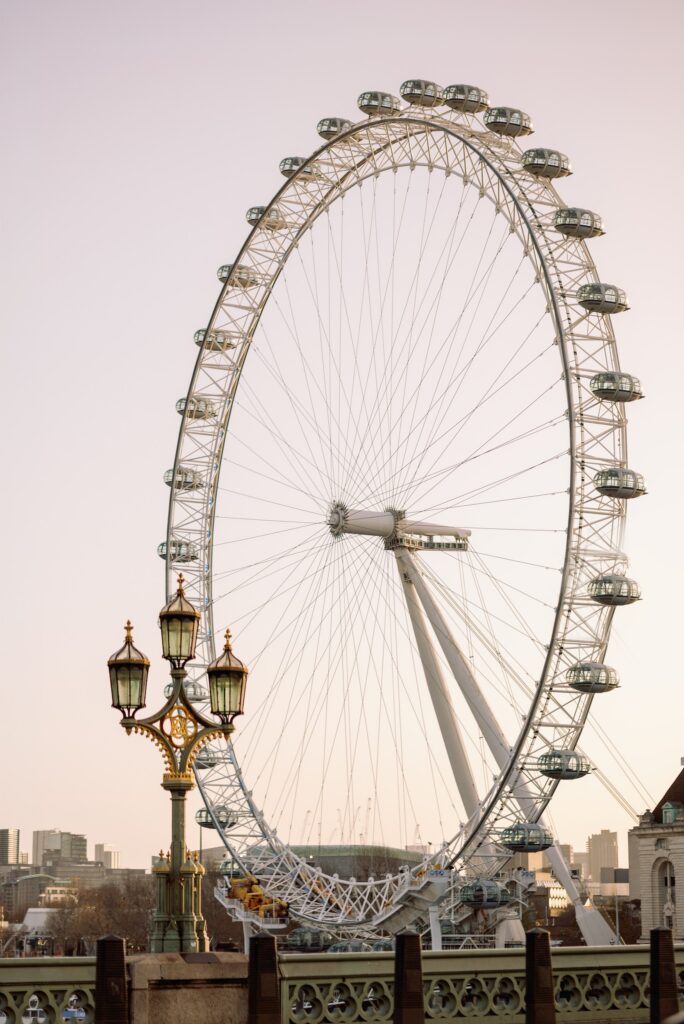
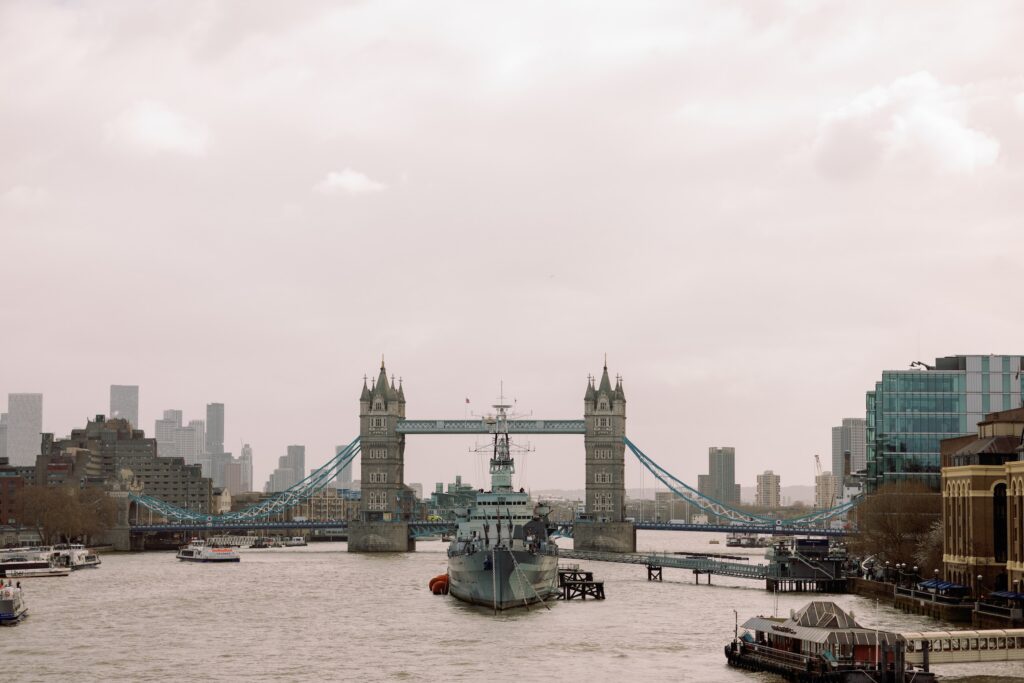
The Thames runs through the heart of the city, creating wedding locations with views of some of London’s most recognisable landmarks.
A riverside setting can work particularly well for a destination wedding, giving guests an immediate sense of being in London. Depending on the venue, the river can provide a backdrop for the ceremony, drinks reception or photographs.
West London
West London offers some of the capital’s greener wedding settings, including venues with gardens and extensive grounds.
These can suit couples who like the accessibility of a London wedding but want more outdoor space or a setting that feels removed from the busiest parts of the city.
What Type of Wedding Location in London is Right for You?
Once you have an idea of the part of London you prefer, the next decision is the type of venue.
A luxury hotel can be particularly useful for destination weddings. It allows accommodation, the ceremony and reception to all take place in one location. Larger hotels may also offer several event spaces, making it possible to move guests through different rooms as the wedding progresses.
Private members’ clubs tend to offer a different experience. They can be more intimate and discreet, making them worth considering for smaller guest lists or couples who prefer a less traditional wedding setting.
London’s livery halls and historic buildings provide another option. These spaces can offer grand interiors and significant history without the atmosphere of a hotel.
For a more contemporary wedding, the city has modern hotels and design-led event spaces, while gardens and riverside venues put greater emphasis on the setting around the celebration.
The size of your guest list will naturally narrow down the options. If you are planning a smaller celebration, London’s private dining rooms, townhouses and members’ clubs can offer spaces that feel appropriate for the number of guests. This works better than simply using a smaller room within a large venue.
What Should You Consider When Comparing Wedding Locations in London?
Photographs are usually the starting point when looking for a wedding venue, although there are several practical questions worth asking before making a shortlist of wedding locations in London that might suit your day.
Start with capacity. Rather than looking only at the venue’s maximum number, consider how many guests each space accommodates for the ceremony, drinks reception, dinner and evening celebration.
It is also worth understanding how the wedding moves through the venue. Some locations have separate rooms for each part of the day. Others require the same space to be changed between the ceremony and reception.
If you want to hold your legal ceremony at the venue, check the current requirements with both the venue and the relevant local authority. Wedding law in England and Wales is currently under review. Couples planning further ahead should check the latest rules before making decisions based on where a legal ceremony can take place.
Accommodation is another consideration, particularly for destination weddings. A venue with bedrooms can simplify the experience, although a venue without accommodation can work equally well if there are suitable hotels nearby.
Finally, ask exactly what is included within the price. Venue hire, catering, staffing, furniture, security, production and exclusivity arrangements vary considerably. This means two headline prices are not always directly comparable.
What Are the Legal Requirements for Getting Married in London?
The legal requirements for getting married in London are the same as elsewhere in England and Wales, as covered in our wider guide to getting married in England.
Both partners must be at least 18 years old to legally marry.
For most civil marriages and civil partnerships, couples must give notice at a register office before the ceremony. This is a formal declaration that you intend to marry or form a civil partnership.
You will usually need to have lived in the relevant registration district for at least seven days before giving notice. You must give notice at least 29 days before the ceremony, and you must hold the marriage or civil partnership within 12 months.
The process can be different if one or both partners are from outside the UK or Ireland. Depending on immigration status, additional requirements can apply, and you may need to wait up to 70 days.
Your ceremony location forms part of the notice process, so you should decide where the legal ceremony will take place before giving notice.
Different rules can apply to some religious weddings, including Church of England ceremonies. International couples should therefore check the requirements that apply to their individual circumstances before making travel arrangements around giving notice.
Are the Rules for Weddings in England and Wales Changing?
Potentially, although no changes are currently in force.
In July 2026, the Government launched a consultation on proposed reforms to wedding law in England and Wales. The proposals include moving away from a system focused heavily on the location of the wedding towards one where greater responsibility sits with the officiant conducting the ceremony.
If introduced, the reforms could give couples greater flexibility over where legal weddings take place. The proposals also include potential changes around Humanist weddings.
The consultation closes on 24 September 2026. Any change to the law would require further action following the consultation, so couples should continue to follow the current legal requirements unless official guidance changes.
For weddings taking place further in the future, it is worth checking the latest government guidance during the planning process.
When Is the Best Time of Year to Get Married in London?
London works as a wedding destination throughout the year, although each season creates a different experience.
Spring
Spring brings longer days. It also opens up the possibility of using gardens, terraces and outdoor spaces without reaching the busiest part of the summer wedding season.
April and May can be particularly appealing for couples who want a spring wedding. London’s weather is never entirely predictable, though, so an indoor alternative remains important even if you plan much of the celebration outside.
Summer
June to September is a popular period for UK weddings. Longer daylight hours are particularly useful if you want to make the most of outdoor spaces or take photographs around the city.
Demand can also be higher during this period. Couples with a particular venue and Saturday date in mind should expect to plan further ahead.
Autumn
Autumn works particularly well with many of London’s historic hotels and halls. Here, the interiors are just as important a part of the setting as the season itself.
September can still offer relatively long days, while October and November move towards a more intimate, indoor atmosphere.
Winter
London takes on a different character during winter, particularly in the weeks around Christmas.
Grand hotels, historic buildings and private dining rooms can work particularly well at this time of year. You will need to consider shorter daylight hours when planning photography and the timings of the day.
How Far in Advance Should You Book a London Wedding Venue?
For many London wedding venues, starting your search around 12 to 18 months before the wedding is sensible.
Popular venues and peak-season Saturdays can book considerably further ahead, particularly if you have a specific date in mind. Couples planning a large wedding may also benefit from starting earlier, since fewer venues can naturally accommodate a bigger guest list.
More flexibility can open up additional possibilities. Midweek dates, Sundays and weddings outside peak summer months may be available with a shorter lead time.
Choosing the venue is usually one of the first major decisions. Once you’ve confirmed the location and date, you can begin booking suppliers. Their availability depends on knowing exactly when and where the wedding will take place.
Planning a Destination Wedding in London
London’s international connections make it particularly well suited to destination weddings.
Several airports serve the city, with direct connections to destinations around the world. Once guests arrive, London’s public transport network means they do not necessarily need private transfers throughout the wedding weekend.
There is also a considerable range of accommodation across the city. Couples can choose a wedding venue with bedrooms or arrange for guests to stay in hotels nearby.
If guests are travelling a significant distance, it is worth thinking beyond the wedding day itself. Welcome drinks, dinners and post-wedding brunches can turn the celebration into a longer London experience.
The area you choose becomes particularly important here. Keeping accommodation and events relatively close together will make the weekend easier for guests, and it will cut down the amount of time they spend travelling across the city.
International couples should look into the legal process early. Depending on nationality and immigration status, giving notice in England can require additional planning. Some couples may decide to complete the legal marriage separately, then hold a symbolic ceremony in London that works better for their circumstances.
How Much Does a London Wedding Cost?
There is no single answer to how much a London wedding costs. Venue pricing varies considerably depending on the type of property, guest numbers, date, catering requirements, and whether you’re hiring the venue exclusively.
London is generally an expensive place to host a wedding, particularly at the luxury end of the market. However, headline venue hire prices rarely tell the full story.
One venue may include furniture, staffing or production within its price, while another charges for these separately. Hotels may work with minimum food and beverage spends rather than a straightforward hire fee.
It is therefore more useful to compare the total expected cost of hosting your wedding at each venue rather than comparing hire fees alone.
Finding the Right Wedding Location in London
There is no single version of a London wedding.
You might choose a ballroom in one of the city’s historic hotels, celebrate privately in a members’ club, discover one of the City’s centuries-old halls or choose a garden overlooking a completely different side of the capital.
For other couples, the London skyline or the Thames may be the reason for choosing the city in the first place.
Starting with the experience you want to create can make the search considerably easier. Think about the number of guests, whether you want accommodation on site, the atmosphere you prefer and which part of London you want your guests to experience.
From there, you can begin narrowing down the wedding locations in London that genuinely suit the celebration you are planning.
Explore Beyond Weddings’ collection of wedding locations in London to start finding the right setting for your celebration.
All London imagery courtesy of Under the Veil.