
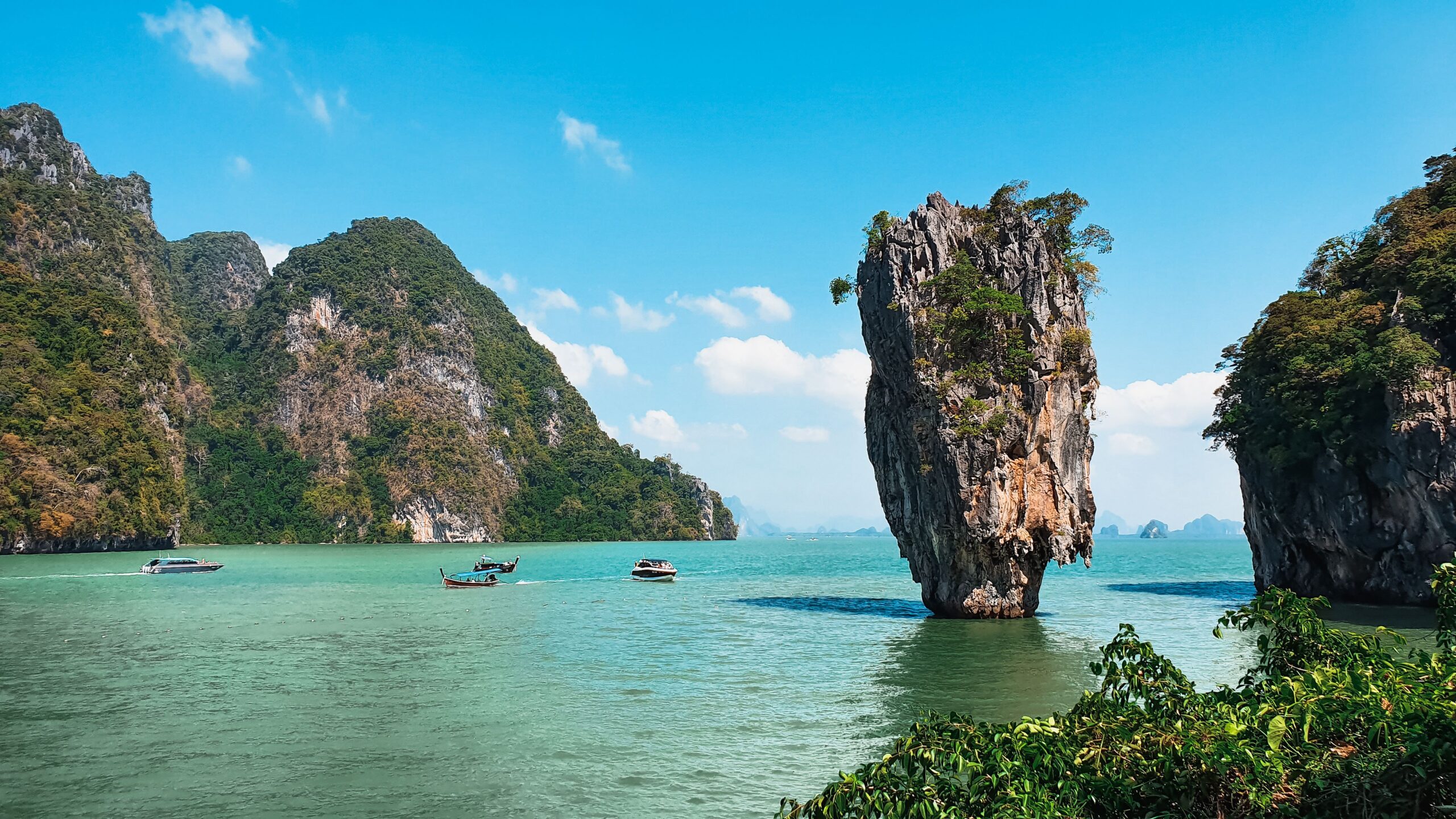
A Thailand wedding gives couples a rare combination: warm seas and dramatic scenery, held together by a level of resort service that few destinations can match. The setting extends naturally into the days either side of the wedding, so guests arrive for a celebration and leave having had a proper escape.
This guide covers what couples and planners need to know before getting married in Thailand: where to marry, the types of venue on offer, timing, costs, Thai traditions and the legal process.
Why Get Married in Thailand?
Thailand suits couples who want a multi-day celebration without lowering the standard of any single part of it. Its resorts rank among the best in the world, and the standard of hospitality tends to stay with guests long after the day itself. Venues here have hosted international weddings for decades, so planning across time zones and languages is well established.
Thailand is also an inclusive choice. In January 2025 it became the first country in Southeast Asia to recognise same-sex marriage, so all couples now share the same legal standing.
Where Are the Best Places to Get Married in Thailand?
Thailand’s regions suit different kinds of wedding, so the right one depends on the celebration you want.

The Andaman Coast and Phuket
The west coast gives you the classic image of Thailand: turquoise water, limestone cliffs and long white beaches. Phuket sits at its centre and has the widest range of luxury resorts, along with strong flight connections, which makes it a practical choice for larger guest lists. Its venues include Amanpuri, the original Aman resort above Pansea Beach, and Trisara, a pool villa estate on the quieter northwest coast.
Phang Nga Bay and the Islands
Just beyond Phuket, the limestone karsts of Phang Nga Bay rise straight out of the sea. Boats reach the smaller islands easily, so couples can add real seclusion without losing access for guests. Six Senses Yao Noi sits on Koh Yao Noi, with one of the finest views across the bay, and suits couples who want a private, low-key celebration. Further south, The Racha occupies its own island at Racha Yai, which works well for a full property buyout.
Koh Samui and the Gulf
On the opposite coast, Koh Samui offers coconut groves, calmer water and an easier pace, and it suits couples who prefer a relaxed island wedding to a dramatic backdrop. Its real advantage is timing. The Gulf runs on a different weather cycle from the Andaman, which opens up dates the west coast cannot offer.
Chiang Mai and the North
Northern Thailand swaps beaches for mountains, temples and teak houses. Chiang Mai suits couples drawn to culture and cooler evenings, and it lends itself naturally to a wedding built around Thai tradition.
Bangkok and Hua Hin
Bangkok has grand city hotels and riverside settings, and it is where couples who do choose to register their marriage in Thailand typically complete the paperwork. Hua Hin, three hours south, adds a coastal resort feel within easy reach of the capital, and suits couples who want sea and city within one trip.
What Styles of Wedding Venue Does Thailand Offer?
Thailand’s venues fall into a few clear styles, and knowing them narrows the search quickly.
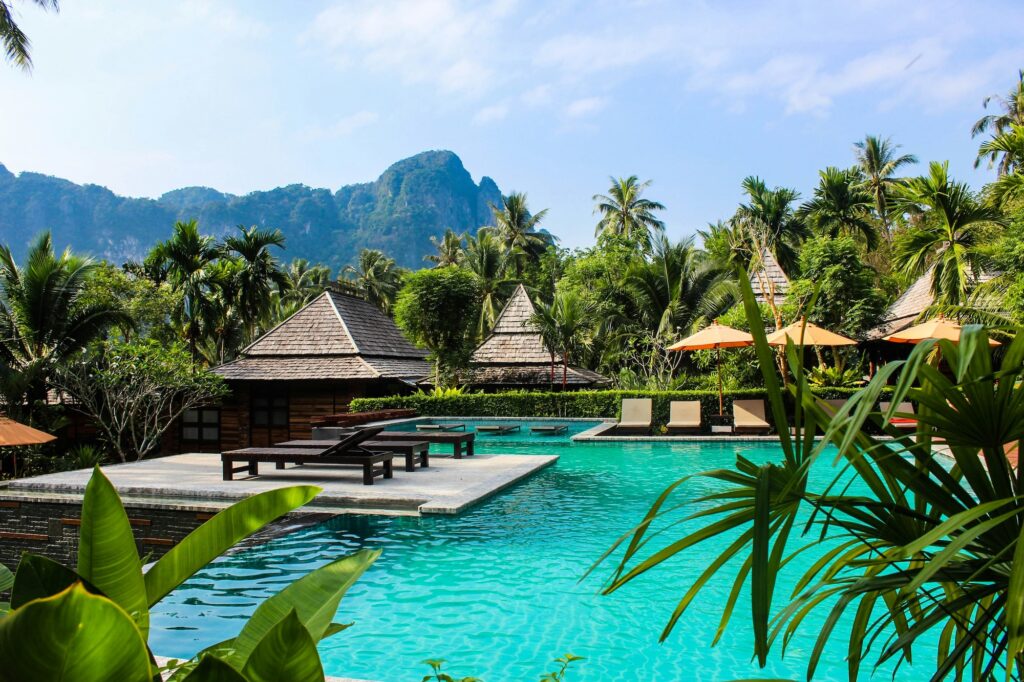
Luxury resorts suit couples who want the ceremony, reception and guest stay handled by one team. Most include a dedicated wedding coordinator, several ceremony locations and banqueting space for larger groups.
Private villa estates give couples exclusive use of a property, often with their own pool, chef and staff. They suit smaller, more intimate weddings where privacy matters as much as the setting. On smaller islands, guest numbers are often set by room count rather than venue capacity, so it is worth confirming this early.
Beachfront venues put the ceremony directly on the sand, with the reception either on the beach or close by. They work best for couples who want an unmistakably Thai wedding image, and need a firm wet-weather backup.
Boutique and heritage hotels, found mainly in Chiang Mai and Bangkok, suit smaller weddings with a strong cultural or architectural setting rather than a beach.
When Is the Best Time to Get Married in Thailand?
Thailand has two coasts with opposite monsoons, so somewhere is almost always dry.
The Andaman coast, covering Phuket, Phang Nga and Krabi, is driest from November to April. Its wet season runs from roughly May to October, and September and October bring the heaviest rain.
The Gulf coast, covering Koh Samui and its neighbouring islands, follows a different cycle. It holds up well across much of January to September, then turns wettest from October to December, with November its poorest month.
Nationally, November to February is peak season: dry, cooler and busiest, with the highest rates. March to May brings serious heat, and Chiang Mai has a smoke haze season, roughly February to April, caused by agricultural burning.
How Much Does a Wedding in Thailand Cost?
Costs vary widely by venue, guest numbers and season, and luxury resorts generally work to a minimum spend rather than a fixed package. As a broad guide, the main factors are the venue itself, the length of the celebration, guest accommodation, catering and any additional production such as florals, lighting or entertainment. Peak season, from November to February, tends to carry the highest rates. Couples should request a tailored proposal from each venue rather than relying on general figures, since luxury properties price case by case.
Which Thai Traditions Can You Include?
Many couples marry legally at home and hold a symbolic ceremony in Thailand, which leaves them free to shape the day around Thai custom. Elements couples often choose include:
- A Buddhist blessing, where monks chant and bless the couple, usually in the morning.
- The water pouring ceremony, in which guests pour blessed water over the couple’s hands. This is the most recognisable Thai wedding ritual.
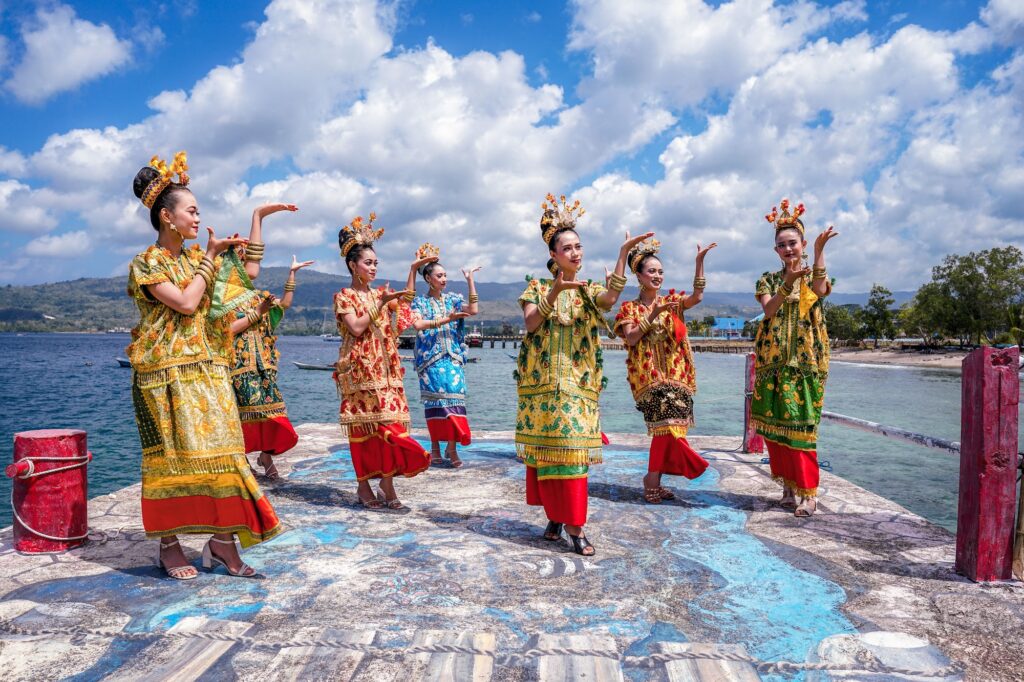
- The Khan Maak procession, a parade with drums, dancing and gifts as one partner arrives.
- Long drum musicians and traditional dancers, which resorts can arrange for a reception.
Venues host these regularly, so couples can take as much or as little as they want.
Can You Legally Get Married in Thailand?
A wedding becomes legal in Thailand only once you register it at a district office, known as an amphur or khet. A beach ceremony or temple blessing carries no legal weight on its own, however beautiful it looks. Registering involves an embassy affirmation, a certified Thai translation and legalisation by the Ministry of Foreign Affairs before you reach the district office, so most couples allow several working days in Bangkok to complete it.
For that reason, most international couples marry legally at home and hold a symbolic ceremony at their venue in Thailand. Either route works, so confirm the current requirements with your embassy and your wedding planner before you book.
How Do Guests Get to Thailand?
Bangkok’s two airports handle most long-haul arrivals, with direct flights from the UK, Europe, Australia and across Asia. From there, Phuket has its own international airport, while Koh Samui and Chiang Mai are reached by domestic connections through Bangkok. Smaller islands such as Koh Yao Noi and Racha Yai need a boat transfer once guests land in Phuket, so it is worth building that into the wedding schedule. Most nationalities can enter Thailand without a visa for short stays, though requirements vary, so guests should check the current rules before booking flights.
Explore Thailand Wedding Venues
Browse wedding venues in Thailand, find a destination wedding planner, or read more of our destination wedding guides.
Frequently Asked Questions
It depends on your date. The Andaman coast, including Phuket, is at its best from November to April. The Gulf coast, including Koh Samui, holds up well through much of January to September. Choose the coast that suits your month rather than the other way round.
No. A beach or temple ceremony is symbolic only. To marry legally you must register at a Thai district office, which is why many couples complete the legal formalities at home and celebrate in Thailand.
Yes. Thailand recognised same-sex marriage in January 2025 and was the first country in Southeast Asia to do so. Same-sex couples now have the same legal rights and register a marriage in the same way.
For the peak months between November and February, most luxury resorts take bookings a year or more ahead. Villa buyouts and the best-known properties go earliest, so allow longer if you want a particular venue or date.