
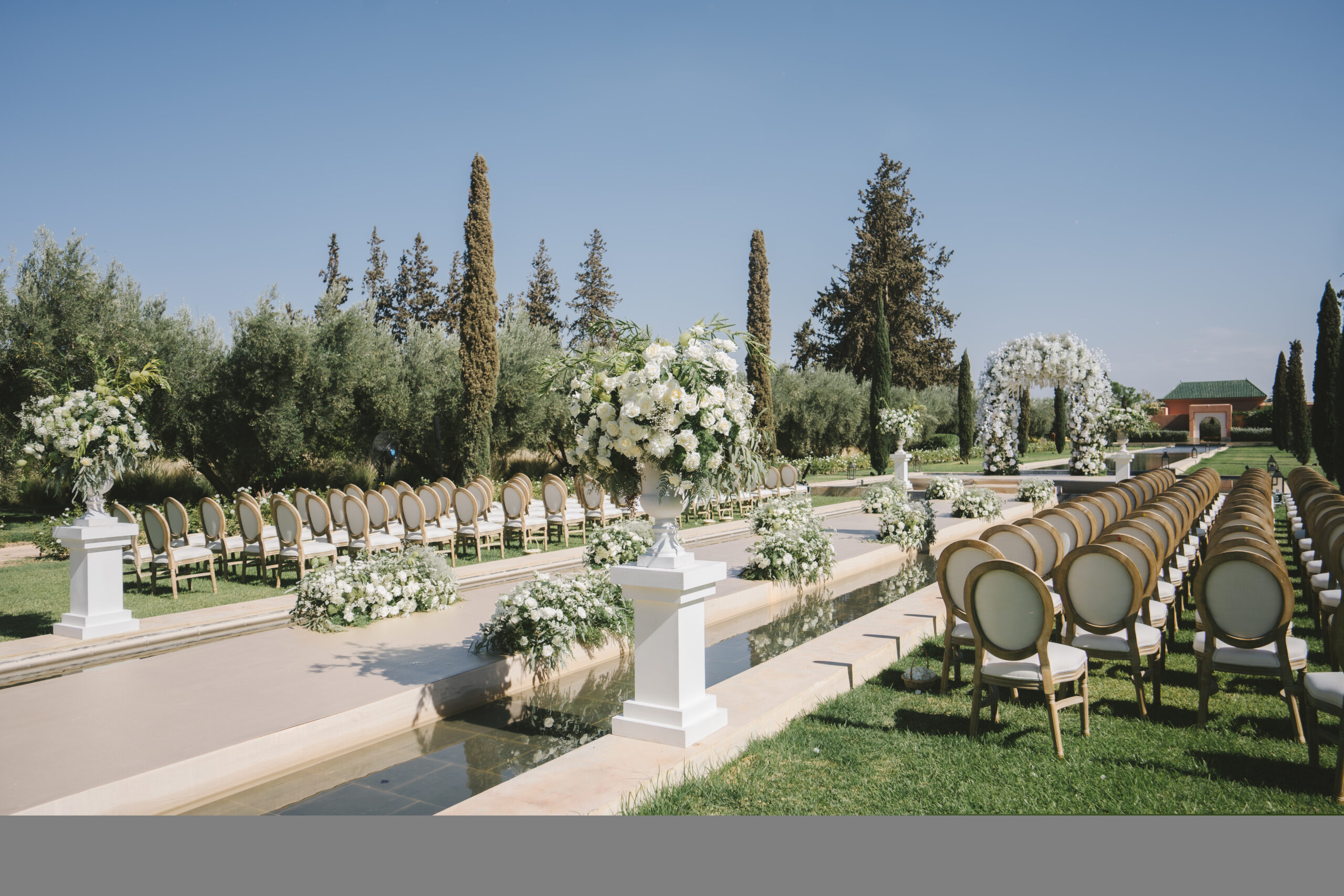
The word “luxury” appears everywhere in the wedding industry, yet it’s rarely used with any consistency. It’s often treated as shorthand for expensive styling, premium materials, or a higher-than-average budget. For couples planning at the top end of the market, though, luxury has little to do with how something looks on paper or the number at the bottom of the invoice. So what does define a luxury wedding?
At this level, luxury functions as an experience standard.
What matters is how smoothly the day unfolds, how confident decisions feel, and how little attention the couple needs to give to what’s happening behind the scenes. The strongest weddings rely on anticipation rather than reaction, restraint rather than excess, and the quiet assurance that everything has been handled well before it becomes visible.
That distinction is important. Not just for couples, but for the venues, planners, and creative partners who want to operate credibly within the wedding space.
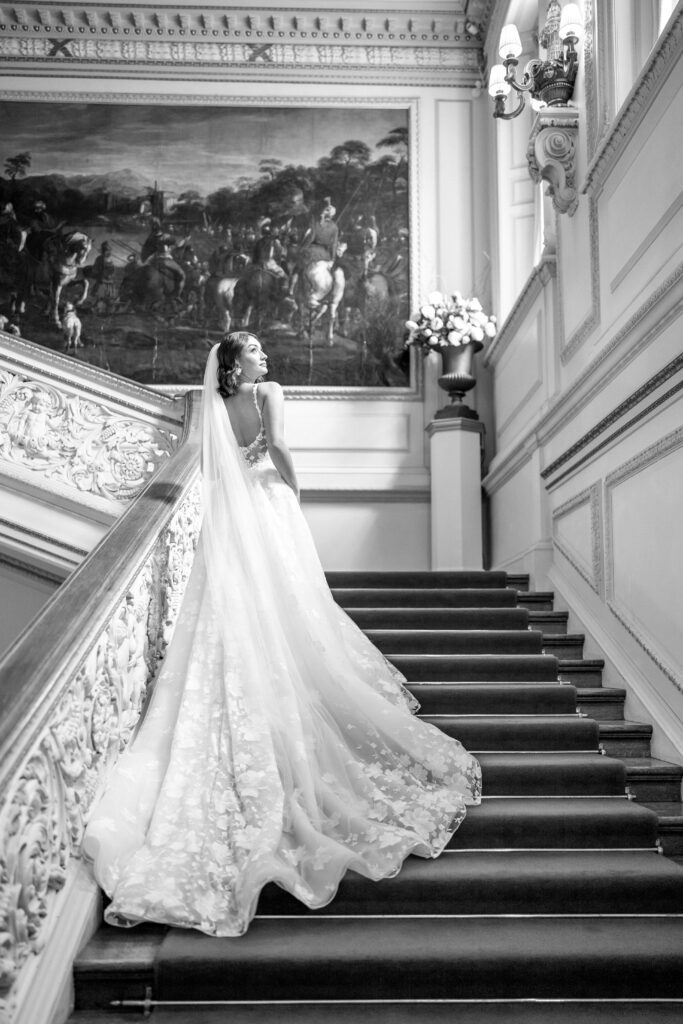
Experience-led, Not Budget-led
An expensive wedding does not automatically qualify as a luxury wedding, and cost alone never defines the experience.
At the highest level, intention drives every decision. Location, layout, timing, team structure, and guest flow are all shaped around how the day should feel, not how much can be included. Generic elements fall away and accidental moments disappear. Excess gets edited out rather than added in.
Here, luxury separates itself quietly from scale. Control replaces accumulation. Careful curation matters more than volume. When atmosphere, logistics, and pacing work together, the result feels effortless, even though it rarely is.
It’s also where misunderstandings tend to creep in. In recent years, some businesses have adopted the language of luxury without changing how they operate, using the word to justify higher prices rather than a different level of service. At the very top end of the market, that disconnect becomes obvious very quickly.
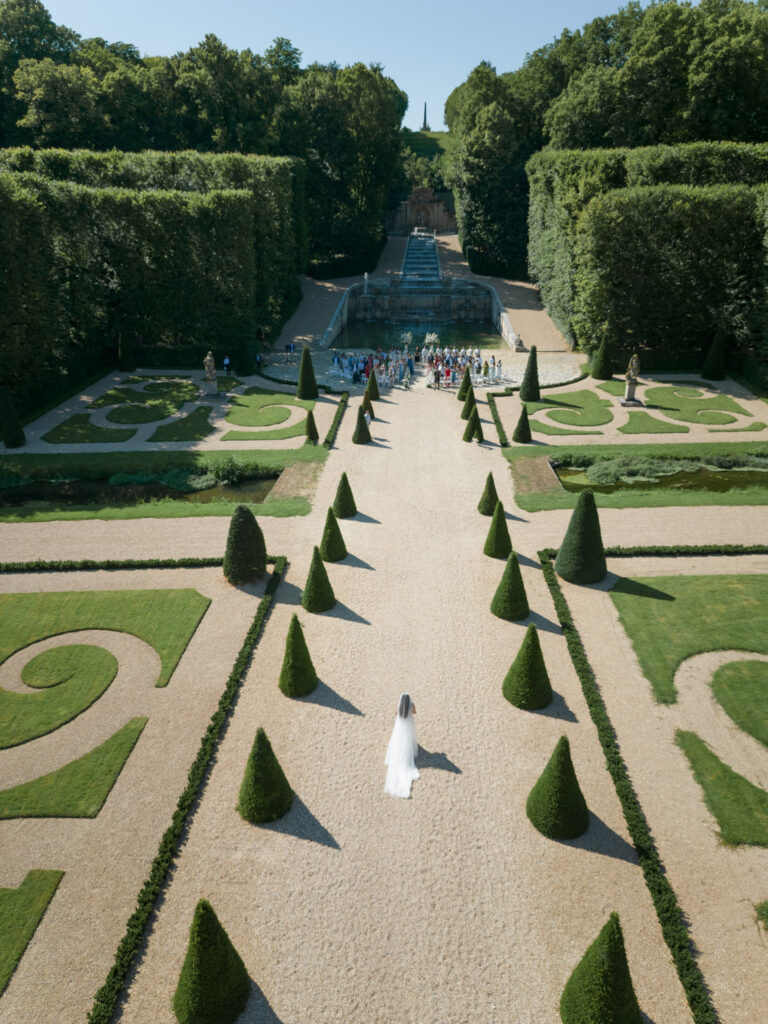
Place Matters More than Trend
In luxury weddings, the venue does far more than provide a backdrop. It actively shapes the experience.
Couples choosing destinations like Italy, France, the UK, Greece, or emerging locations aren’t chasing what’s popular. They’re buying into context. A private estate in the English countryside carries a different emotional weight to a Lake Como villa or a coastal venue in Bodrum, and that difference should influence every creative and logistical decision.
Luxury isn’t defined by the destination itself, but by how well the experience responds to it. Cultural understanding, trusted local partnerships, and genuine fluency with place affect everything from guest flow to creative decisions.
For professionals working at this level, simply operating in a location isn’t enough. Real credibility comes from truly understanding it.
The Luxury Client Mindset
Luxury couples aren’t just buying services. They’re buying peace of mind.
Clear, efficient communication matters, but it should never feel intrusive. Discretion becomes particularly important when guest lists include high-profile or high-net-worth individuals. In place of endless options, these couples value guidance and personalised advice delivered with confidence. Above all, they expect confidence from the people they choose to trust with their wedding.
At this level, reassurance is replaced by expertise. Calm replaces chaos. Systems replace improvisation. The best suppliers don’t need to sell themselves loudly, their confidence does the work for them.
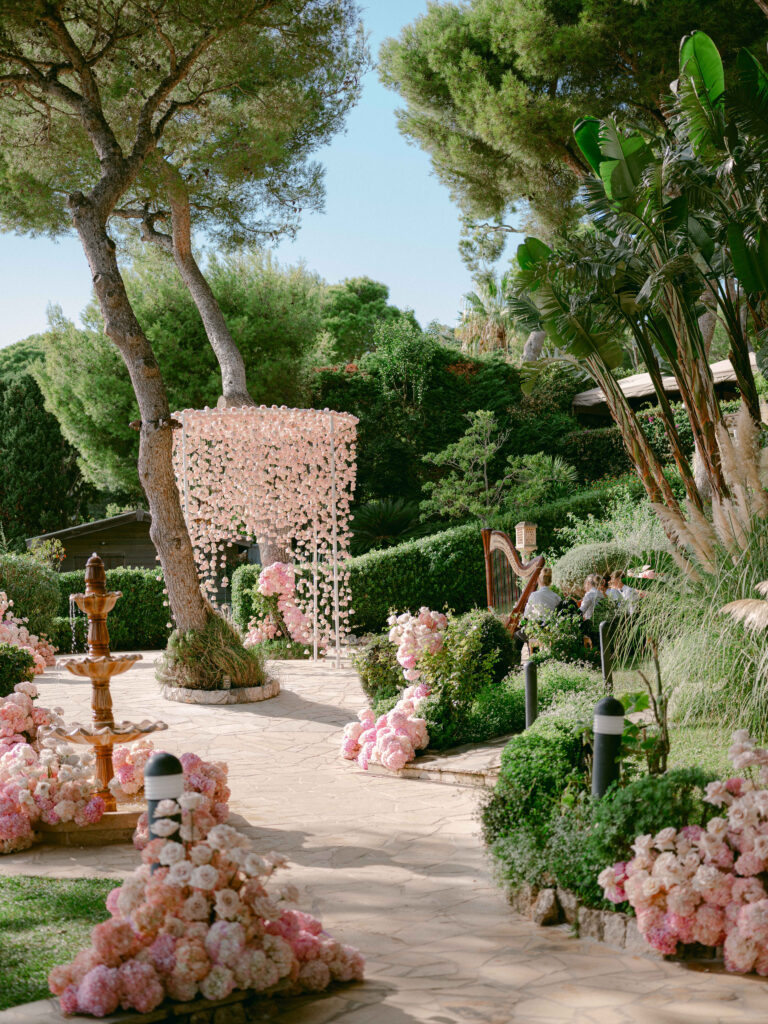
How Luxury Brands Approach Marketing
Luxury wedding brands don’t avoid marketing, but they use it selectively.
Frequency and reach matter less than context. Where a brand appears, how it’s presented, and who it sits alongside shape perception long before an enquiry is made. Editorial environments, considered storytelling, and trusted associations matter far more than constant promotion.
Curated platforms play a clear role here. By placing venues, planners, and suppliers within a refined editorial setting, they allow couples to discover brands in a way that feels informed rather than promotional, and aligned rather than transactional.
In practice, luxury marketing stays calm, clear, and intentional.
Selling Outcomes, Not Tasks
At the luxury end of the market, selling never revolves around hours worked or lists of deliverables. It’s about outcomes.
The most compelling promise is simple: you won’t need to worry about this. While luxury clients may not be price-sensitive in the traditional sense, they understand value deeply. Discounting erodes trust. Value comes through access, discretion, priority, and depth of service.
Choice also narrows at this level. More options rarely help. What clients want is the right option, presented with clarity and confidence.
Final Thoughts
Luxury weddings don’t need to be louder, bigger, or more elaborate to stand out. The strongest ones feel calmer, sharper, and more deliberate.
For brands operating in this space, success comes from clarity, confidence, and a genuine commitment to experience over excess. Luxury isn’t something to claim. It’s something to deliver quietly, consistently, and without explanation.