
Our immersive experience exploring palaces and luxury wedding hotels
India has long been known for its spectacular, emotionally rich and culturally layered weddings. For many UK-based Indian couples, celebrating in India is about far more than the scenery; it’s about reconnecting with family, heritage and traditions.
With very few UK venues able to accommodate 250+ guests, and with catering restrictions, capacity limitations and rising costs, India is both a culturally relevant and logistically suitable choice.
Weddings here feel expansive, expressive and rooted in tradition, yet they offer world-class hospitality and creative freedom.
During our visit, hosted by Taj Hotels, we travelled with top international planners including Colin Cowie, Sarah Haywood, Ed Libby, Bob Conti and Nefi Setiono, exploring how India continues to evolve as a luxury wedding destination. The journey was documented by Vogue India, culminating in a private reception that highlighted the significance of the UK-India wedding connection.
The Vision Behind the Regions
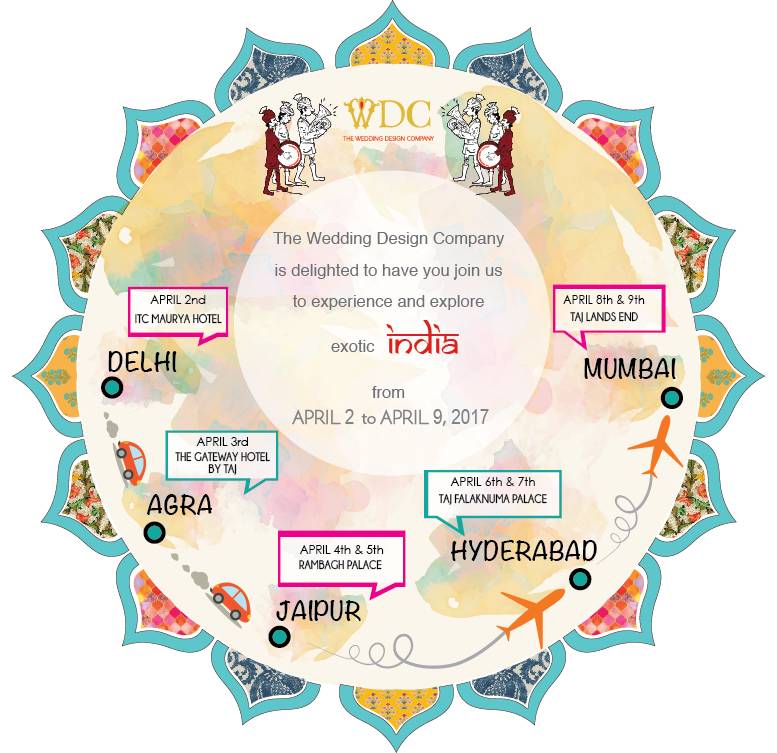
Our route through India was curated by Vandana Mohan, Founder of The Wedding Design Company, who explained the cultural reasoning behind each region.
“Rajasthan is now the top choice for couples wanting an experiential wedding. They want culture, heritage and atmosphere – not just a venue. UK-based Indian couples are choosing Jaipur, Udaipur, Jodhpur and Hyderabad because these cities reconnect them to tradition far more deeply than the beaches of Goa.”
— Vandana Mohan
Each region offers a different style of celebration, and Taj Hotels remains one of the most trusted brands for UK couples because of its heritage properties, exceptional service and iconic architecture.
Our Favourite Venues:
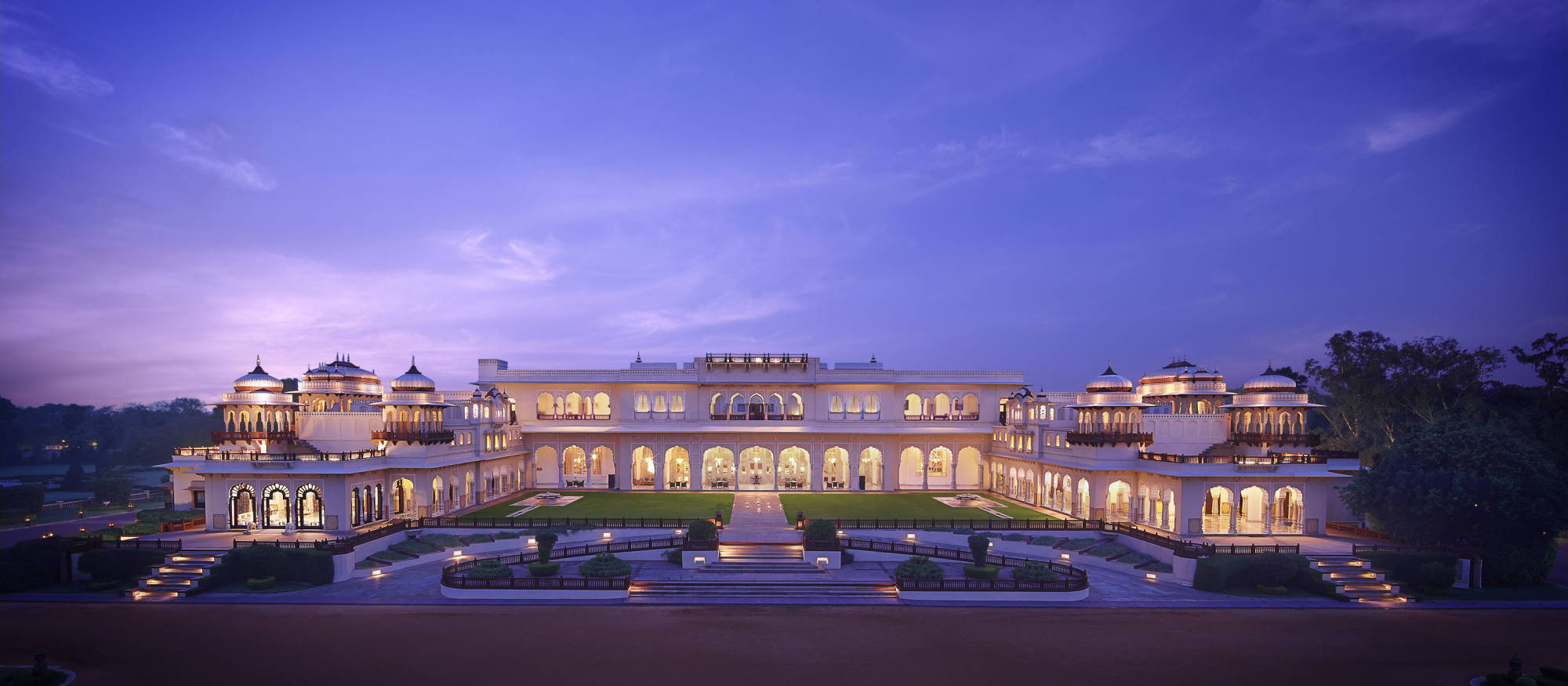
Taj Rambagh Palace, Jaipur
Arriving at the Rambagh Palace felt like entering a fairytale. The moment we reached the gates, a royal procession of elephants, camels and horses carried us into the grounds. Musicians, petals and the ceremony created an atmosphere that felt entirely cinematic.
The sense of heritage here is profound. Rambagh is a genuine palace, and you feel it in every marble corridor, every carved doorway and every perfectly manicured lawn. Outdoors, the palace glows under evening lights – the ideal setting for cocktails, processions or musical performances.
Whilst there, we were hosted for drinks with HH Princess of Jaipur at the City Palace, complete with another royal parade. Her passion for promoting Jaipur’s culture and architecture gave us insight into why couples from around the world choose this city for their weddings.
Rambagh is one of the few venues that truly embodies the fantasy many couples imagine for a royal Indian wedding. It brings elegance, history and theatre together with ease.
Taj Jai Mahal Palace, Jaipur
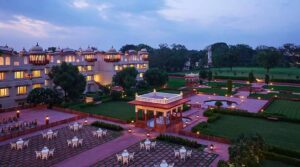
The Jai Mahal Palace showed us another side of Jaipur’s wedding energy – open, vibrant and full of colour. When we arrived, preparations were underway for a large wedding that evening, and the scale of the production was extraordinary. In the gardens we watched stages being built, florals refreshed, and even the giant hand-painted Indian chess set receiving a delicate touch-up.
The palace grounds, with sweeping lawns leading down to a pristine pool and the backdrop of the historic facade, show exactly why this venue remains one of the most in-demand settings for Indian weddings. There is a sense of festival-meets-formality – grand, but never overwhelming.
Later, after meeting jewellery designer Sunita Shekhawat nearby, we returned for an evening event at Rambagh Palace. It gave us a powerful contrast: Jai Mahal excels at spectacular large-scale weddings, while Rambagh shines in more intimate, atmospheric celebrations.
Taj Falaknuma Palace, Hyderabad
Falaknuma Palace was, without question, one of the most breathtaking venues we experienced. Approaching in a horse-drawn carriage sets the tone – ceremonial, stately, dramatic – and the palace facade rising above Hyderabad feels like something from a bygone royal era.
Inside, everything is grand: marble floors, sweeping staircases, historic libraries, and a bar so evocative of old-world aristocracy that it could double as a film set. The accommodation, set around quiet courtyards, creates a serene contrast to the opulence of the main palace.
The pool area, beautifully landscaped and shaded, became one of our favourite afternoon spots. Cold gin and tonics under the trees added to the charm.
But the highlight for any couple considering a wedding here is undoubtedly the world’s longest dining table, seating up to 101 people. Dining there, with a gong announcing each course and fresh flowers filling the room, is a once-in-a-lifetime experience. For a wedding or pre-wedding celebration, it offers a level of theatre few venues can match.
Falaknuma captures the romance of old Hyderabad, but with modern luxury woven in discreetly.

Taj Lands End, Mumbai
Taj Lands End was the perfect introduction to Mumbai’s social energy. Sitting between the Arabian Sea and the dramatic bridge that stretches across Mahim Bay, the hotel carries the unmistakable glamour that defines the city. Mumbai has a very different rhythm to Delhi or Jaipur; it feels faster, more fashion-driven and instantly cosmopolitan, and Lands End matches that energy effortlessly.
Inside, the hotel blends coastal views with contemporary design, creating a setting that feels both modern and deeply connected to Mumbai’s identity. It’s a property that works beautifully for couples who want to host pre-wedding events in a lively, urban atmosphere while still keeping the service and luxury standards that Taj is known for.
One of the highlights of our stay was the reception hosted by Taj Hotels in partnership with Vogue India, who had been documenting our journey throughout the trip. The event brought together planners, couples and industry leaders from across the city, giving us direct insight into what Mumbai couples value most when planning a wedding: warm hospitality, exceptional food and the ability to balance tradition with contemporary style. After a week of palaces and historic properties, Lands End offered a refreshing change of pace – a reminder that India’s wedding landscape is diverse, sophisticated and constantly evolving.
The hotel’s position, atmosphere and creative community make it an excellent choice for couples who want to fuse cultural authenticity with the cosmopolitan spirit that defines modern India.

Taj Mahal Palace, Mumbai
The Taj Mahal Palace gives couples a completely different style of wedding experience – one rooted in heritage, glamour and Mumbai’s unmistakable energy. From the moment we walked into the iconic lobby, the atmosphere felt grand yet welcoming, with the kind of polished service that sets the tone for a celebratory stay.
Our tour revealed just how much history sits within these walls. Sweeping staircases, mosaic floors and vaulted corridors create a sense of old-world romance that works beautifully for pre-wedding gatherings or time in the city before or after a multi-day celebration elsewhere in India. Afternoon tea was a standout moment: Indian delicacies, European pastries and live piano music combine to create a refined cultural experience that many couples choose to include as part of their wedding itinerary.
We visited several suites, but the Tata Suite was the clear highlight. Known as one of the most prestigious suites in Mumbai, it features handwoven upholstery threaded with gold and silver, a private spa area, and a layout designed for hosting.
Its location beside the Gateway of India and its unmistakable architectural style make it an iconic touchpoint in any wedding celebration involving the city.

Taj Agra Hotel and The Oberoi Amarvilas
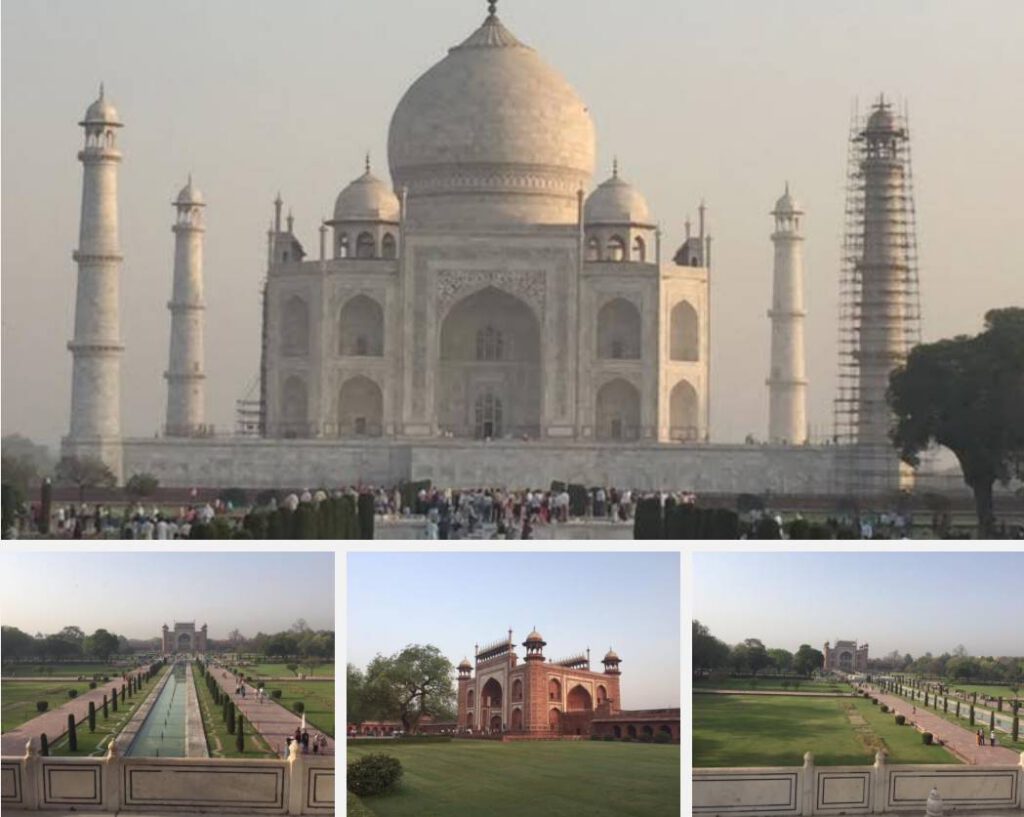
Agra offered us two very different but equally valuable experiences for wedding groups. Our stay at the Taj Agra Hotel provided everything couples need when travelling with a large guest list: comfort, practicality and effortless hospitality. The atmosphere leans more corporate, yet that becomes a strength for wedding logistics – spacious rooms, efficient service and a rooftop terrace with a striking view of the Taj Mahal rising above the city’s rooftops.
Taj Agra works especially well as a base for guests or for pre-wedding events that don’t require a palace backdrop. Its position between Delhi and Jaipur also breaks up the long overland journey beautifully, making it a reliable and convenient stop for multi-day itineraries.
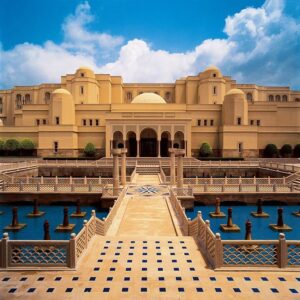
Just a short distance away, The Oberoi Amarvilas offers a very different experience. Visible from many rooms, the Taj Mahal feels almost close enough to touch. For couples who want that iconic view woven into their wedding journey Amarvilas is the natural choice.
While you cannot marry at the Taj Mahal itself, these two properties together provide the best of both worlds: Taj Agra for scale, comfort and ease; Amarvilas for romance, architecture and that postcard-perfect connection to one of the world’s most recognised landmarks.
Cultural Experiences: The Heart of Indian Weddings
Indian weddings are built on tradition, symbolism and artistry. Incorporating local experiences allows couples to add meaning to every element of their celebration.
Designer Bridalwear and the Art of Couture
One of the most important parts of an Indian wedding is the bridal and groom’s attire. It carries cultural weight, family tradition and often weeks of craftsmanship.
Visiting designers like Sabyasachi and Sunita Shekhawat offers more than retail therapy. It gives couples the chance to engage with centuries-old textile techniques and jewellery-making traditions.
Sabyasachi: Craftsmanship at Couture Scale
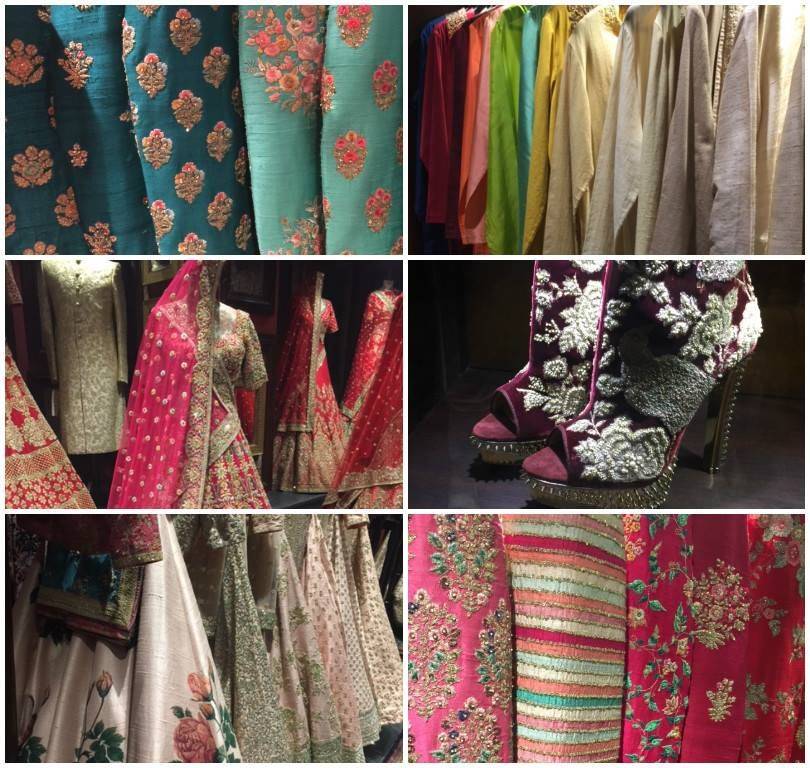
In his Delhi boutique, racks of handwoven silk lehengas sparkle with zari, sequins, and intricate embroidery. Each gown typically requires:
- 25 artisans
- 3 months of work
- handwoven silk specially produced for that collection
- embroidery that may include gold, silver and semi-precious stones
These garments aren’t customised, which ensures the integrity of the design – a concept that aligns with how couples now view heirloom pieces: something created by a master designer rather than altered to trend.
For wedding planners and couples, this reinforces the importance of booking early and working with a local planner who can arrange appointments that are otherwise impossible to secure.
Sunita Shekhawat: Meenakari That Tells a Story
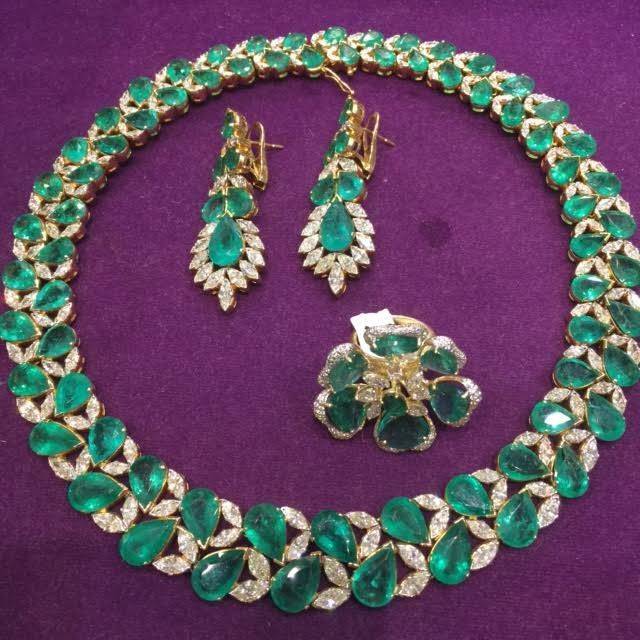
In Jaipur, designer Sunita Shekhawat specialises in traditional Meenakari jewellery – known for its detailed enamel work and reversible designs. Her pieces often have a completely different motif on the reverse, making them both wearable art and symbolic keepsakes.
For couples planning multi-day celebrations, her jewellery becomes part of the storytelling:
- the reverse side for pre-wedding rituals
- the ornate front for the ceremony
- gemstone pairings that align with family traditions and astrological customs
This makes jewellery shopping a nostalgic and deeply personal part of the wedding-planning experience.
Textiles, Markets and the Craft of Celebratory Décor
India’s artisanal markets embody the colour, texture and atmosphere couples want in their weddings. For UK-based Indian families, these markets reconnect them to traditions they’ve grown up around – flowers at the mandir, bridal jewellery markets, the smell of spices during festivals.
Old Delhi’s Market Districts
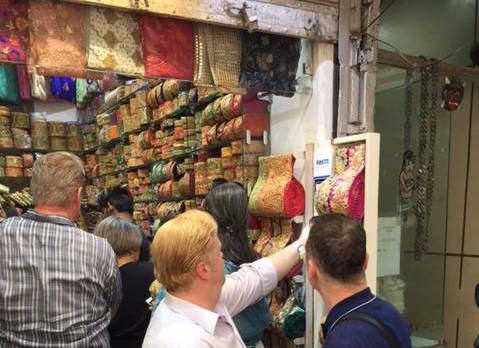
Through narrow streets connected by cycle rickshaws, couples can find:
- sari and fabric markets with handcrafted textiles
- gold markets with bridal jewellery and gifts
- spice markets where families select items for haldi ceremonies
- decor stalls selling embroidered drapes, torans and wedding fabrics
Everything is grouped by category, so exploring becomes efficient and inspiring. For destination weddings, it’s an opportunity to source décor that feels authentic without inflated export prices.
Couples can curate items such as:
- embroidered mandap drapes
- hand-painted umbrellas
- bespoke welcome gifts
- table runners or textile accents matching their wedding palette
This becomes part of the wedding story – practical, meaningful and deeply cultural.
Jewellery as a Cultural and Emotional Anchor
In many Indian communities, jewellery is tied to family heritage and the symbolic start of a new life chapter. It’s traditionally treated as a form of blessing and security, and it remains an essential part of wedding customs.
Couples often use their wedding trip to:
- select gold pieces for gifting
- design sets that align with family traditions
- invest in jewellery that becomes a future heirloom
- coordinate matching sets for mothers, sisters and close family members
For UK couples, commissioning pieces in India offers far greater craftsmanship at significantly better value than buying similar-quality pieces in the UK.
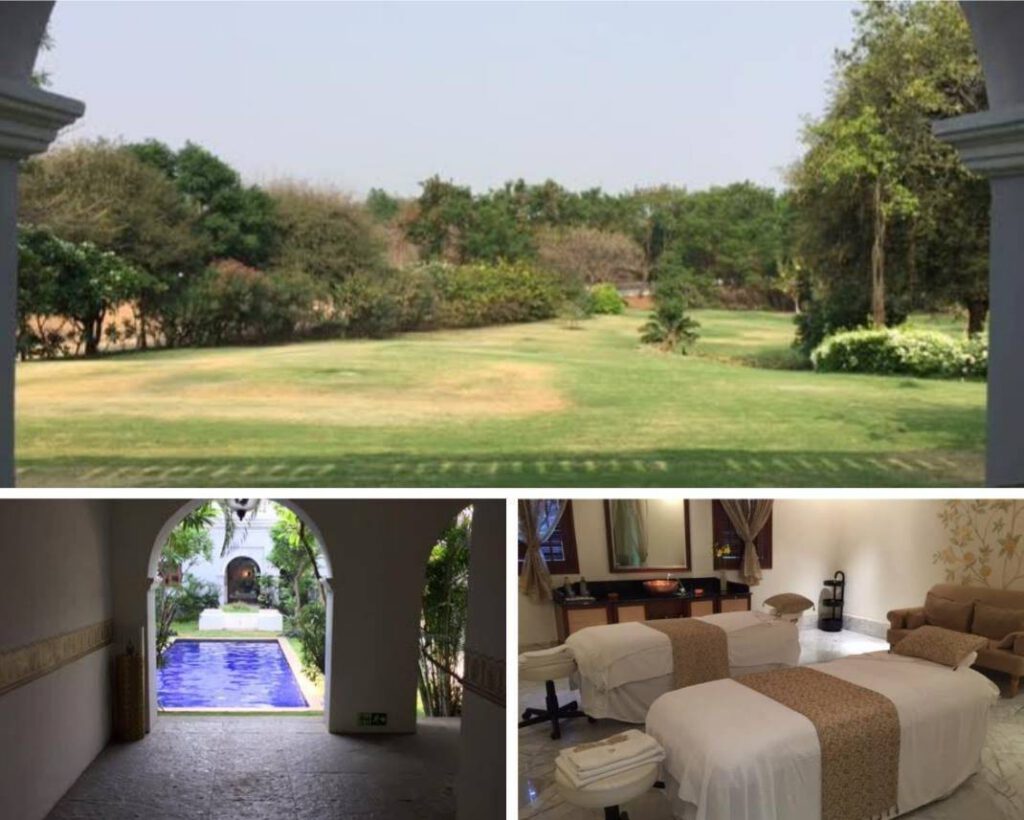
Wellness Rituals and Pre-Wedding Pampering
Indian weddings are multi-day celebrations, and a pre-wedding trip often becomes a chance for couples to decompress before the intensity of events.
Across Taj properties, the wellness experiences reflect the calm, restorative side of Indian culture:
- Ayurvedic massages to rebalance energy before ceremonies
- traditional beauty rituals involving herbs, oils and natural ingredients
- quiet courtyards, landscaped gardens and historic spas for downtime
- opportunities for brides to prepare for a photoshoot or pre-wedding editorial features
These moments provide a soft counterbalance to the scale and colour of an Indian wedding.
Art, Architecture and Heritage: A Living Backdrop for Celebrations
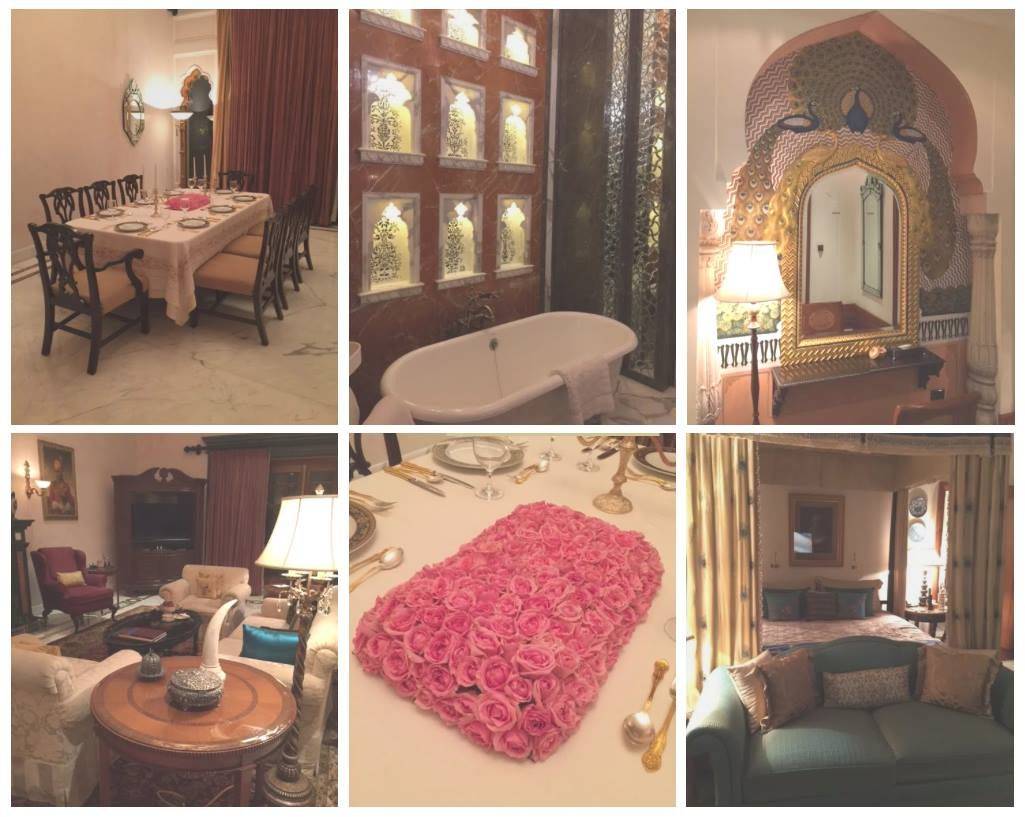
Weddings in India unfold against some of the most architecturally significant buildings in the world.
From Jaipur’s palaces to Hyderabad’s hilltop estates, couples are surrounded by:
- marble halls
- Mughal gardens
- sandstone courtyards
- heritage libraries
- ceremonial staircases
- hand-painted ceilings
- colonnaded balconies
This isn’t décor brought in for the celebration. It’s the original architecture of royal households and dynasties. For couples who want their wedding to feel connected to history, this is unmatched anywhere else in the world.
Food as Hospitality and Identity
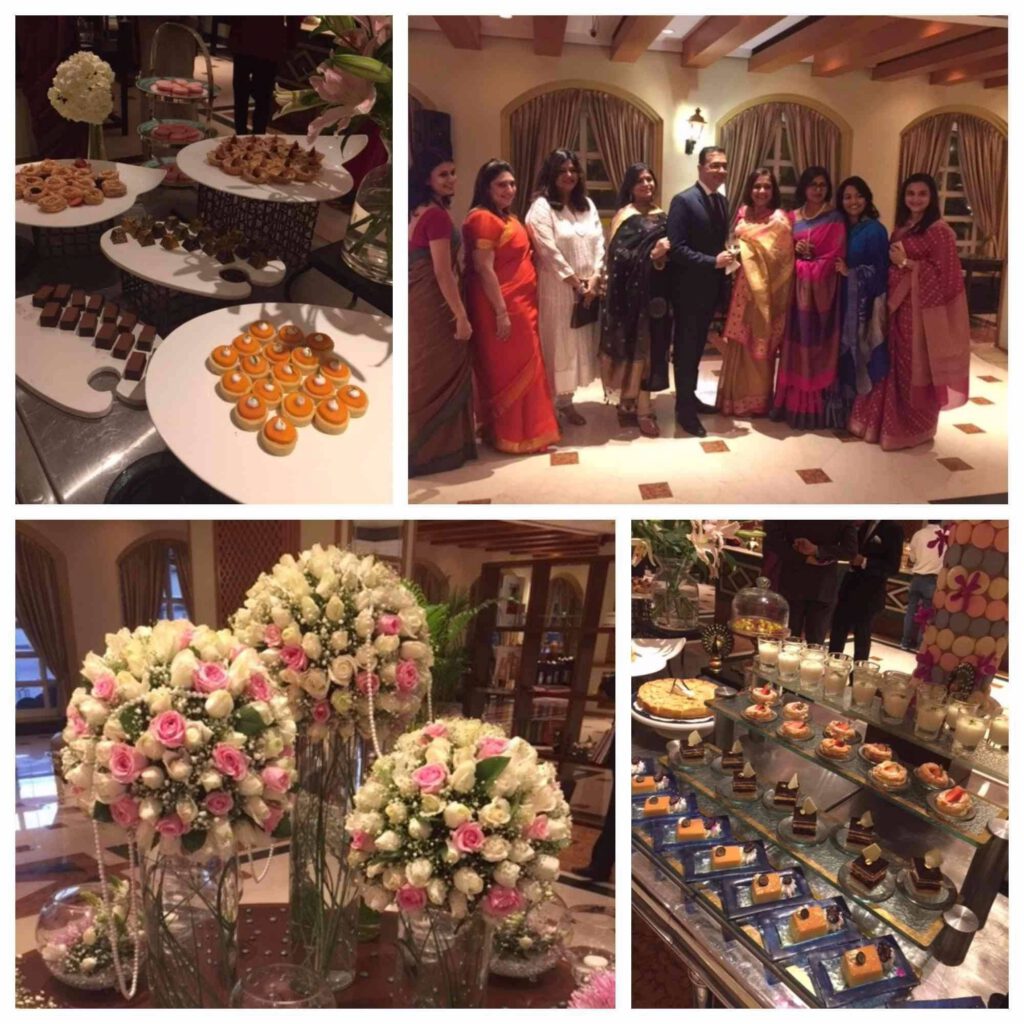
Across Taj Hotels, food doesn’t just support the celebration – it drives it. Indian weddings revolve around shared meals, so couples place immense importance on the culinary experience.
Regional specialities take centre stage. Hyderabadi biryani, rich Rajasthani thalis and family-inspired dishes prepared in traditional styles all carry deep cultural meaning. Live cooking stations add energy and theatre. Multi-course palace banquets elevate the evening with a sense of grandeur. Meanwhile, contemporary celebrations often lean toward refined plated menus during cocktail receptions. And of course, every Indian wedding ends with mithai, served with the ceremony, symbolism and sweetness that make these moments unforgettable.
At the Taj Falaknuma Palace, having dinner at the world’s longest dining table creates a sense of spectacle and scale that couples often want for their own events.
Food becomes a way for couples to honour their heritage and introduce non-Indian guests to the cultural significance of each dish.
Airport Hospitality and the Final Farewell
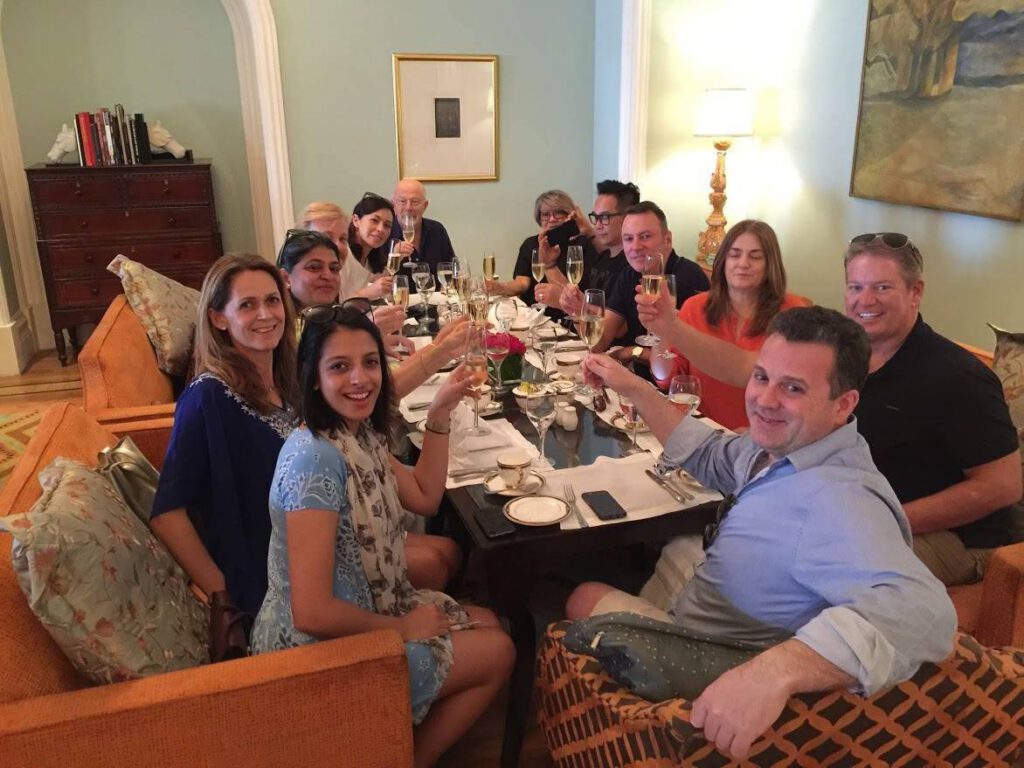
We all assumed our Indian adventure had come to an end when we left the lobby bar to prepare for flights back to Delhi, London, New York, Italy and Jakarta. But when you travel with a planner like Vandana, you quickly learn that the surprises never stop. As each of us reached the airport at different times through the night, we were met at the kerbside and escorted straight through check-in and security by buggy, passing striking art installations and vast sculpted doors symbolising India’s traditional “open door” welcome.
Once inside the lounge, we were treated to a full meal, massages and a quiet space to unwind before boarding. The Reddy family, who built Mumbai airport, believe every visitor should receive exceptional hospitality as they arrive and as they leave. Rather than separate lounges by airline, they created unified business and first-class lounges so every traveller experiences the same high standard of service.
This unexpected farewell captured the spirit of the entire week: thoughtful gestures handled discreetly, supported by Vandana’s deep network, elevated by remarkable hospitality and extraordinary food. It was the perfect final reminder of why India feels so special for large, culturally rich wedding celebrations.
Final Reflections
The hospitality we experienced throughout the trip fully captured the essence of India: generosity, precision, warmth and detail.
For UK Indian couples, India offers something few destinations can match: a wedding journey that reconnects them to culture, family and identity, supported by world-leading hospitality brands like Taj Hotels.
Take a look at our Venues in India page for more information on these and other venues.
About the author: Alison is an expert in UK and destination weddings, with over 30 years experience in the industry. She has personally visited and experienced each of the venues shown on this page.